Easter is a vibrant and significant holiday celebrated across the globe, rich in history and symbolism. While often associated with springtime joy, chocolate bunnies, and colorful eggs, the roots and meanings behind these traditions are deeply fascinating and span centuries. Let's delve into the origins of Easter and explore the significance of its most iconic elements.
The Ancient Roots: More Than Just Spring
While Easter is a central Christian holiday commemorating the resurrection of Jesus Christ, its observance also intertwines with ancient pagan spring festivals. Many believe the name "Easter" itself may derive from "Eostre," a Germanic goddess of spring and dawn, whose festivals celebrated renewal and rebirth. These pre-Christian celebrations often involved themes of fertility and the awakening of nature after winter.
The timing of Easter, falling on the first Sunday after the first full moon following the spring equinox, also connects it to these ancient lunar and solar cycles, marking the arrival of longer days and new beginnings. This alignment highlights the underlying theme of renewal and hope that resonates throughout Easter traditions.
The Central Christian Significance: The Resurrection of Jesus Christ
For Christians, Easter is the most important religious holiday of the year. It marks the culmination of Holy Week, commemorating the passion, death, and resurrection of Jesus Christ. The resurrection, believed to have occurred on the third day after his crucifixion on Good Friday, is the cornerstone of Christian faith, symbolizing victory over death and the promise of eternal life. Church services on Easter Sunday often focus on readings and hymns that recount this pivotal event.
Decoding the Symbols of Easter:
Many of the beloved traditions and symbols associated with Easter carry rich historical and cultural significance:
The Egg: Perhaps the most recognizable symbol of Easter, the egg represents new life, rebirth, and the potential for creation. This symbolism predates Christianity and was prevalent in ancient spring festivals. Christians later adopted the egg as a symbol of Jesus' resurrection – just as a chick hatches from an egg, Christ emerged from the tomb, signifying new life and freedom from death. Decorating eggs, a tradition dating back centuries, further emphasizes this theme of transformation and beauty emerging from something seemingly ordinary.
The Easter Bunny: This fluffy, egg-laying hare is a popular figure, particularly for children. While its exact origins are debated, the rabbit has long been associated with fertility and the arrival of spring due to its prolific breeding habits. The tradition of the Easter Bunny delivering eggs likely emerged in Germany and spread to other parts of the world. Over time, the bunny became a beloved symbol of Easter joy and the excitement of the egg hunt.
Easter Lilies: With their elegant white trumpet-shaped blooms, Easter lilies are a prominent floral symbol of the holiday. Their pure white color represents purity, hope, and the resurrection of Christ. The shape of the lily is also said to resemble a trumpet, heralding the joyful news of Easter.
Lamb: In Christian tradition, the lamb is a significant symbol of Jesus Christ, often referred to as the "Lamb of God" who sacrificed himself for humanity. The imagery of the lamb connects to the Passover tradition in Judaism, where a lamb was sacrificed. During Easter, lamb is often a traditional dish, symbolizing Christ's sacrifice and the new Passover.
Hot Cross Buns: These slightly sweet buns marked with a cross on top are traditionally eaten on Good Friday but are often enjoyed throughout the Easter season. The cross symbolizes the crucifixion of Jesus, while the spices within the bun are said to represent the spices used to embalm his body.
Easter Baskets: Filled with treats like chocolate eggs, candies, and small toys, Easter baskets are a beloved tradition, especially for children. They symbolize the bounty of spring and the joy of the Easter celebration.
Easter Egg Hunts: This fun-filled activity involves hiding decorated eggs for children to find. It symbolizes the search for the empty tomb of Christ and the discovery of his resurrection. The excitement of the hunt embodies the joy and wonder of the Easter message.
Easter is a time that beautifully blends ancient traditions with the central tenets of Christianity. It's a celebration of new beginnings, the triumph of life over death, and the hope that spring brings. Understanding the origins and symbolism behind Easter's various elements enriches our appreciation for this meaningful and joyous holiday. Whether you're participating in an egg hunt, enjoying a festive meal, or attending a church service, the spirit of renewal and hope is at the heart of Easter.
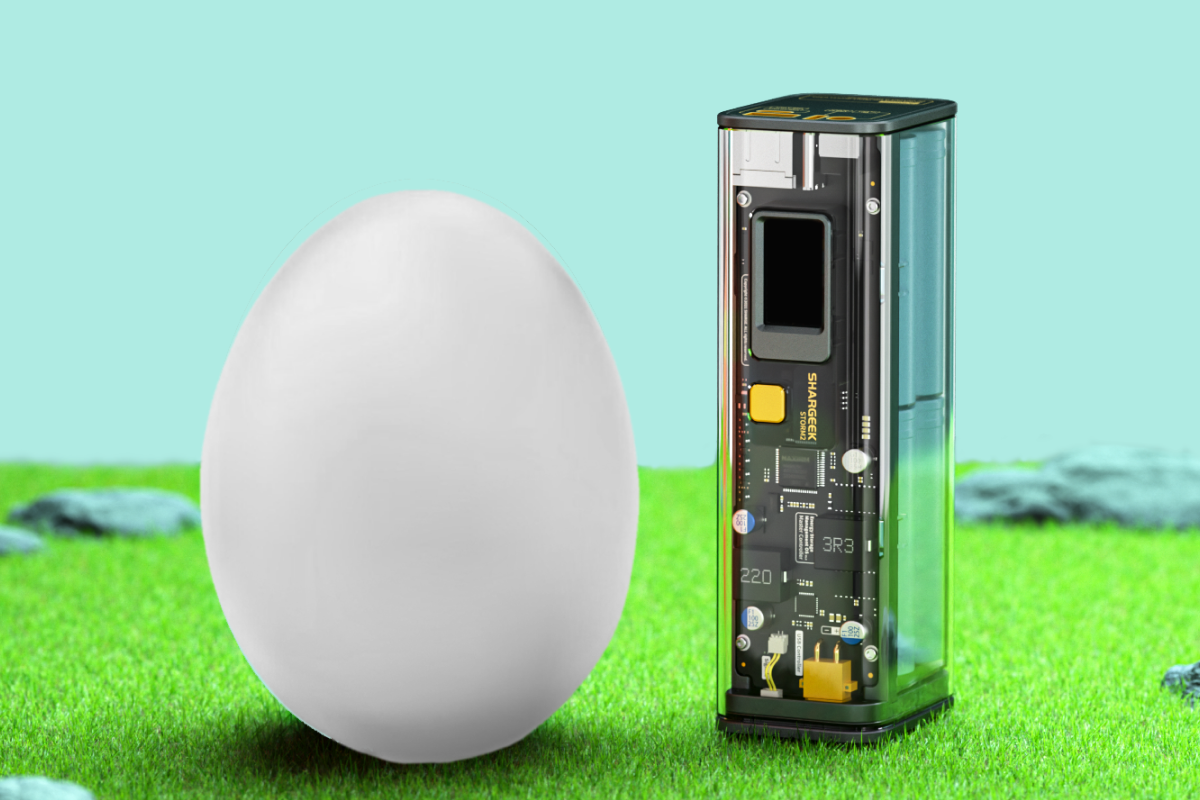
Just as Easter symbolizes renewal, it's a great time to refresh your tech! Sharge is offering an "egg-cellent" Easter Sale from April 9th to April 29th. Discover incredible deals on products like the ICEMAG 2 and SHARGEEK 100, plus new user bonuses and free gifts with qualifying orders.
Click here to hop into savings and explore the SHARGE Easter Sale!
Wishing you a Happy Easter filled with joy and great deals!
🔥 Easter’s Hottest Power Banks – Now at Historic Low Prices!
SHARGE Celebrates Earth Day with a $1 Reusable Tote Bag – Join the Movement for Our Planet!